

This post contains affiliate links.
There is no denying that our nails are an important aspect of our self-image. To appear well-groomed means to have clean, healthy nails. This is not something that happens without a solid nail care regime. You may be wondering: how can I take care of my nails and keep them healthy?
Having healthy nails means taking care of them on a daily basis through practices like moisturizing, filing, maintaining manicures, and so on. Avoiding things that can cause damage is vital. For the perfect nails, one should be mindful of the daily activities that can be harsh on their nails.
This article is my ultimate guide to the perfect nail care routine. I will talk about things like the signs of healthy nails, how to keep your nails healthy, how to care for damaged nails, and the things you should avoid to keep those nails healthy.
Table of Contents
What Are the Signs of Healthy Nails?
There are tell-tale signs of healthy nails. Deciding the correct nail care routine for your nails depends on the state of your nails. Healthy nails require a less time-consuming care routine compared to damaged nails.
I will discuss the criteria for healthy nails here.
Your Tips Are Even
Your tips are the white part of your nails, also referred to as the ends. Your tips might be uneven if your nails are breaking or tearing frequently. If your tips are even, apart from the odd nail breaking, then your nails are likely strong and healthy.
You Have Cuticles
Cuticles are located where the nail meets the skin. Many salons believe these should be removed. However, the cuticle function is to protect new nails from bacteria when they grow out from the nail root.
It is therefore not recommended to remove them. Healthy nails have cuticles. Additionally, cuticles should not be dry or cracked. Caring for your cuticles involves keeping them moisturized.
You Have Half Moons (Lunula)
These are the half-moons you see near your cuticles. It is possible not to have this on all your nails. However, if these are absent completely, it may signify a vitamin deficiency. It can also be due to a health condition.
Your Nails Are Mostly Pink
Having pinkish nails, where the color is even, signifies that they are healthy. The pinkish color is a sign of adequate blood flow to the nails. It also suggests that they are free from fungal and bacterial infections.
Your Nails Are Strong
This is an important indicator of healthy nails. Strong nails do not tear and are not brittle. They grow evenly and maintain their shape after being filed. They are also less likely to break under pressure.
Your Nails Are Smooth
Nails that are healthy are free from ridges and dings. Ridges can be normal in healthy nails to some degree. However, these ridges are usually not pronounced and flow in the same direction.
How Do I Keep My Nails Healthy?
Apart from avoiding things that may cause damage to your nails, there are daily care routines that you can follow. These help to ensure strong and healthy nails. Nail care routines are about consistency.
Nail Care Routine For Natural Nails
This is a basic, weekly nail care routine for individuals who are opting for the natural do.
Step 1: Clean Them
Keeping your nails clean and dry is the first step to ensuring they are healthy. Simply use a very soft nail brush, soap, and warm water. Gently scrub your nails to remove dirt and excess oil.
The key is to avoid scrubbing harshly and use a mild soap that will not strip the moisture from your nails.
Step 2: File Them
Filing your nails actually stimulates blood flow, which in turn increases their health. Keeping your nails in shape also prevents them from breaking or getting easily damaged. Be careful not to over file, however, as this can cause damage.
It is advised to invest in a good quality nail file. They are also better at smoothing the nail well.
Step 3: Buff Them

If you want your nails to have a natural gloss then buffing them is the way to go. Invest in a good buffer and make sure to limit buffing to prevent overfilling. This can lead to damage. Buffing also helps to keep the nails nice and smooth.
Step 4: Treat Them
If you want to increase their strength then you can treat your nails using a nail strengthener or topcoat. It is also good to invest in a good quality strengthener or topcoat. You should redo it weekly, but try not to do more than that.
Step 5: Moisturize Them
Moisturizing is very important. Use hand cream or oil. For hand cream, go for extra moisture and keep it mild. For oils, you can buy a nail product or use natural oils like olive oil. You can massage the cream or oil onto each nail.
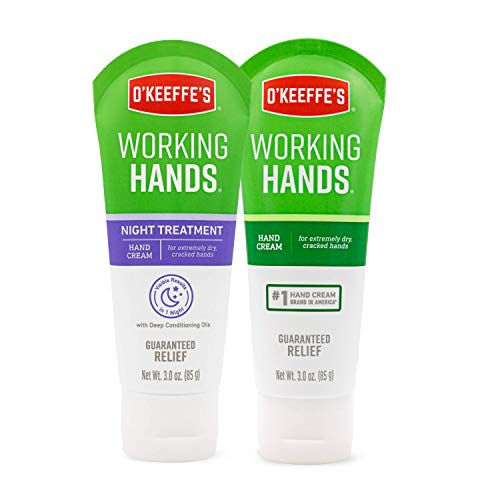
You can also soak your nails in olive oil on a weekly basis to lock in moisture.
Nail Care Routine For Manicured Nails
Manicured nails include nails that are done with gel, acrylic, or shellac. This may also apply to painted nails. This is a care routine for nails that are manicured in some way.
Step 1: Clean Them
Keeping your manicure clean and dry extends its lifespan. Excessive oiliness – not the kind you moisturize with – can lead to the breaking down of the products used. Simply use a soft nail brush, soap, and warm water to gently scrub your nails and remove dirt.
Step 2: Apply a Topcoat
During your weekly care routine, you can restore shine to your manicure by adding a clear topcoat. This will protect your mani from wear and tear. It will also strengthen your manicured nails.

Step 3: Moisturize Them
This is important because manicures do not last as long when nails are dry. This is most likely due to excessive washing and sanitizing that can strip the nails from natural oils. Individuals can use oils like olive oil and soak their nails or massage the oil into the cuticles.
Step 4: Redo Them
For painted nails, try to redo them as soon as the nail polish begins pealing. This will avoid damage. For manicured nails, try not to go past the three-week mark. If you do, you run the risk of your natural nails becoming damaged.
How Do I Care for Damaged Nails?
Damaged nails require a little extra TLC compared to natural or manicured nails. I will provide a guide on how to recognize damaged nails and how to treat or repair them.
What Are the Signs of Damaged Nails?
Just as there are clear signs of healthy nails, the same goes for damaged nails. Here are a few red flags that signify nails that are damaged.
Your Nails Are Discolored
As I discussed earlier, healthy nails are generally pink in color. Nails that appear discolored – slightly yellow, green, or pale – can either be due to nail infections caused by bacteria or fungus, or it could be due to an underlying health condition.
Your Nails Are Brittle
Brittle nails can signify a vitamin or mineral deficiency. Signs of brittle nails include constant breaking and tearing. The cuticles of brittle nails are also more likely to be dry and cracked.
You Have No Cuticles
Many people still believe that it is better to remove their cuticles. However, cuticles are there to enhance nail growth by protecting your nails from infections and other issues. Naturally having poor cuticles also signifies a deficiency or health issue.
There Is Bleeding or Swelling Around Your Nail
If the skin above the nail is swollen or your nail beds are covered in sore and tears then it is possible that your nails are damaged. It can also signify a deficiency or underlying illness. Healthy nails do not have sores or swelling around the nail beds.
You Have Nail Fungus
Nail fungus leads to discolored and brittle nails. It can also give off a disagreeable smell. Nail fungus really compromises the help of your nails. Luckily, it can be taken care of with tea tree oil or fungal treatments.